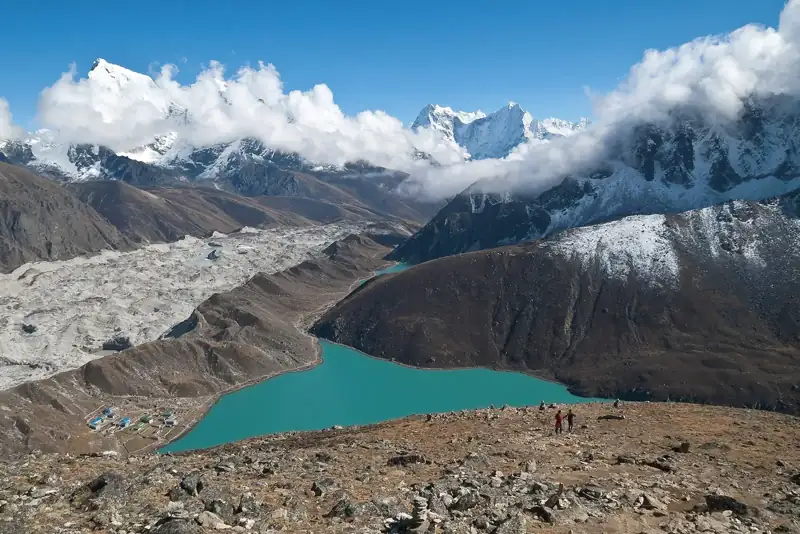
 Photo: Vyacheslav Argenberg · CC BY 4.0
By the Nomad Trails team · Updated November 2026
Cusco sits at about 3,400 m, La Paz higher still, and many classic treks top 4,500 m. Altitude doesn't care how fit you are. Here's how to handle it. This is general information, not medical advice; talk to a travel-medicine doctor before a high trip.
The rules of thumb
- Arrive and rest. Spend two or three days at moderate altitude (Cusco, Huaraz, La Paz, Kathmandu) before trekking higher.
- Go slow above 3,000 m. Health authorities such as the CDC advise that once you are above 3,000 m, you raise your sleeping altitude by no more than about 500 m a day, with an extra acclimatization day for every 1,000 m gained.
- Climb high, sleep low. Day hikes above your sleeping altitude help your body adjust.
- Hydrate, skip heavy drinking for the first days.
Know the warning signs
Headache plus nausea, fatigue, dizziness or poor sleep can mean acute mountain sickness (AMS). Don't go higher until symptoms resolve. Confusion, loss of coordination, or breathlessness at rest are emergencies: descend immediately and get help.
Treks that need the most care
Annapurna Circuit (Thorong La 5,416 m), Everest Base Camp, Salkantay, Laguna 69, Huayna Potosí and Iztaccíhuatl.
Source: CDC Yellow Book: High-Altitude Travel & Altitude Illness.
Keep reading
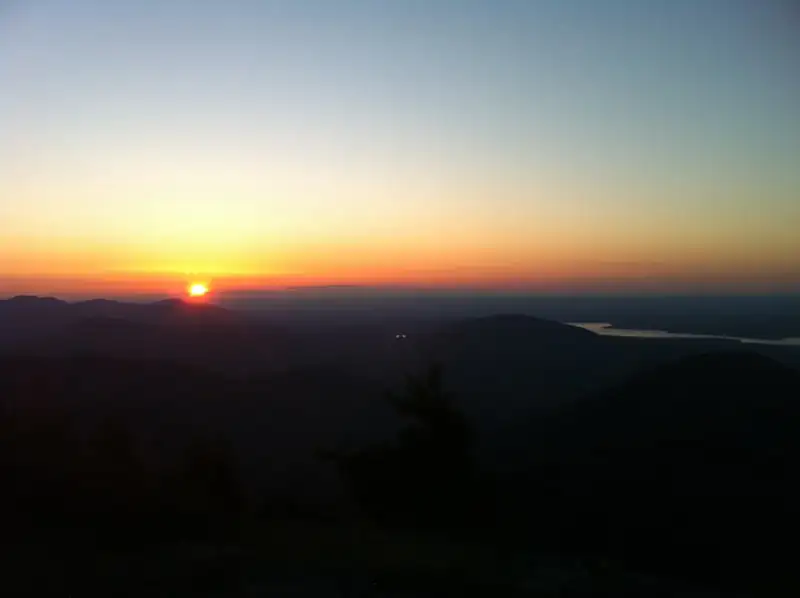 Photo: Onteora12 · CC BY-SA 3.0Treks
The 10 best treks to plan for 2027
Ten treks worth building a trip around in 2027, from Patagonia's W to the Kumano Kodo, with seasons, permits and how hard they really are.
8 min read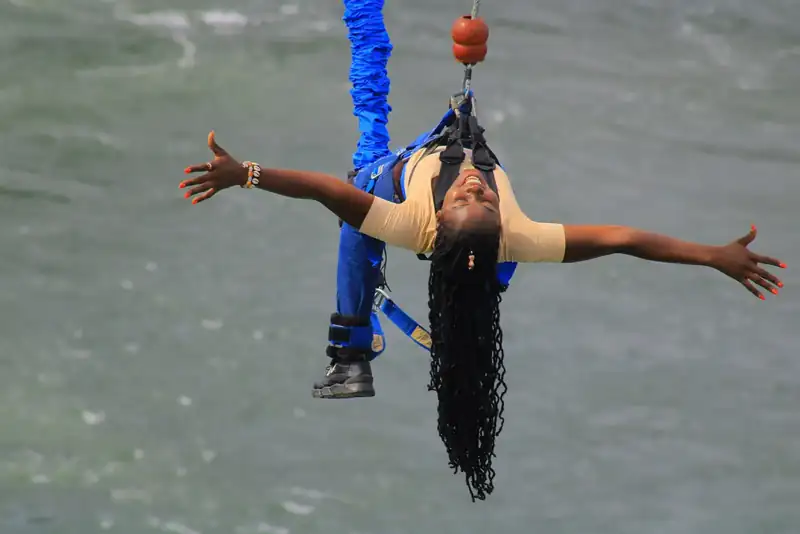 Adventure
15 adrenaline experiences worth the flight
Bungee in Queenstown, the Death Road, canyoneering in Cebu and 12 more adrenaline hits for backpackers, with where and when to do them.
7 min read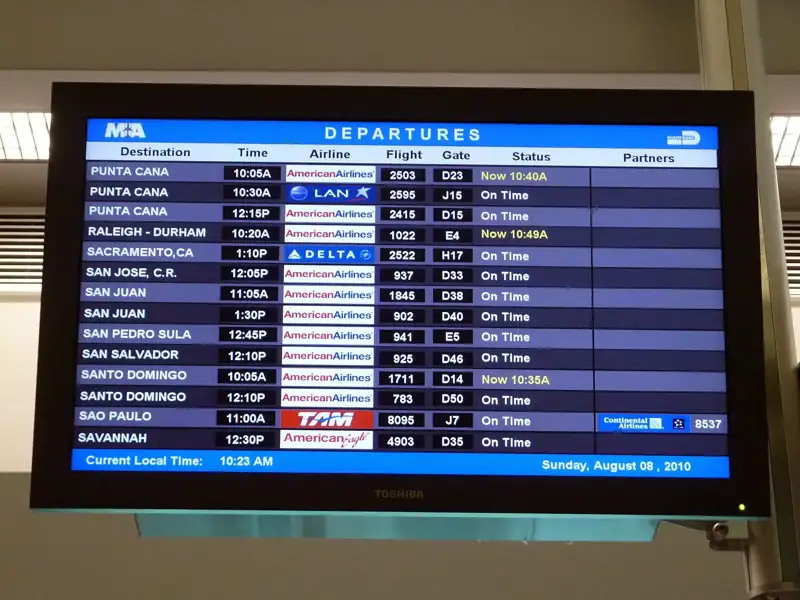 Photo: Bobby Hidy · CC BY-SA 2.0Travel smart
The one-way travel survival guide
Traveling without a return date is the best way to backpack. Here's how to handle airlines, border officers and onward ticket rules when you fly one-way.
6 min read